Module 5: Digital Security, Ethics, and Privacy in Introduction to Information Technology
Digital security, ethics, and privacy in information technology
Introduction
This article covers the three main pillars of modern information technology: digital security, ethics, and privacy. Readers will gain an understanding of various cyber threats—from malware such as viruses, worms, and spyware, to phishing practices that compromise user privacy—as well as ethical issues such as intellectual property rights, digital rights management, and codes of conduct for technology use.
We also discuss sustainable practices such as green computing, which aims to reduce the environmental impact of computer and mobile device usage. In an increasingly connected world, proper understanding and action are key to safeguarding personal digital security and online privacy.
Digital Security Risks
A digital security risk refers to any event or action that can result in the loss of or damage to hardware, software, data, or information. Illegal acts involving computers or related devices are generally referred to as computer crime.
Examples of digital security risks include:
- Attacks by hackers
- Software theft
- Cybercrime in general
Internet and Computer Network Attacks
Malware
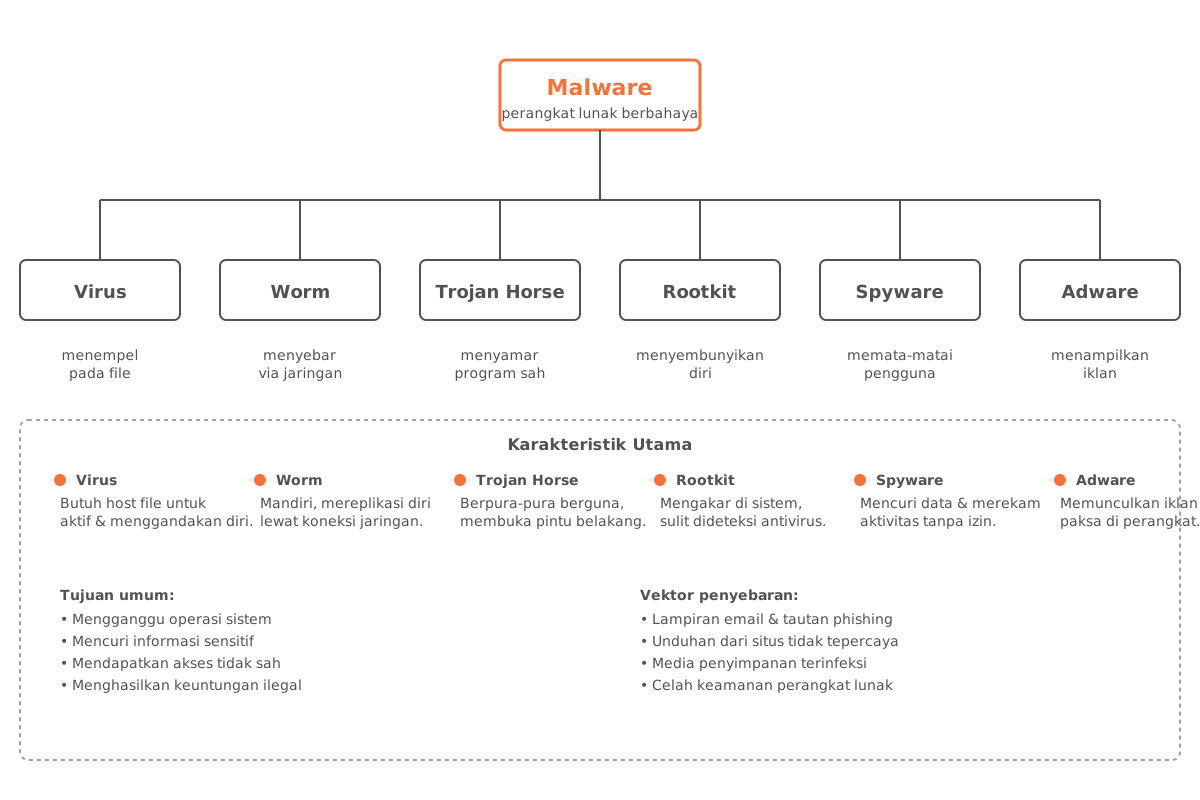
Malware (short for malicious software) is harmful software that acts without the user’s knowledge and damages a computer or mobile device. Common types of malware:
| Type | Characteristics |
|---|---|
| Virus | Attaches to files and spreads when files are executed |
| Worm | Self-propagates across a network without user interaction |
| Trojan Horse | Disguises itself as a legitimate program to deceive users |
| Rootkit | Conceals its presence on the system |
| Spyware | Spies on user activity |
| Adware | Displays unwanted advertisements |
Network Attacks
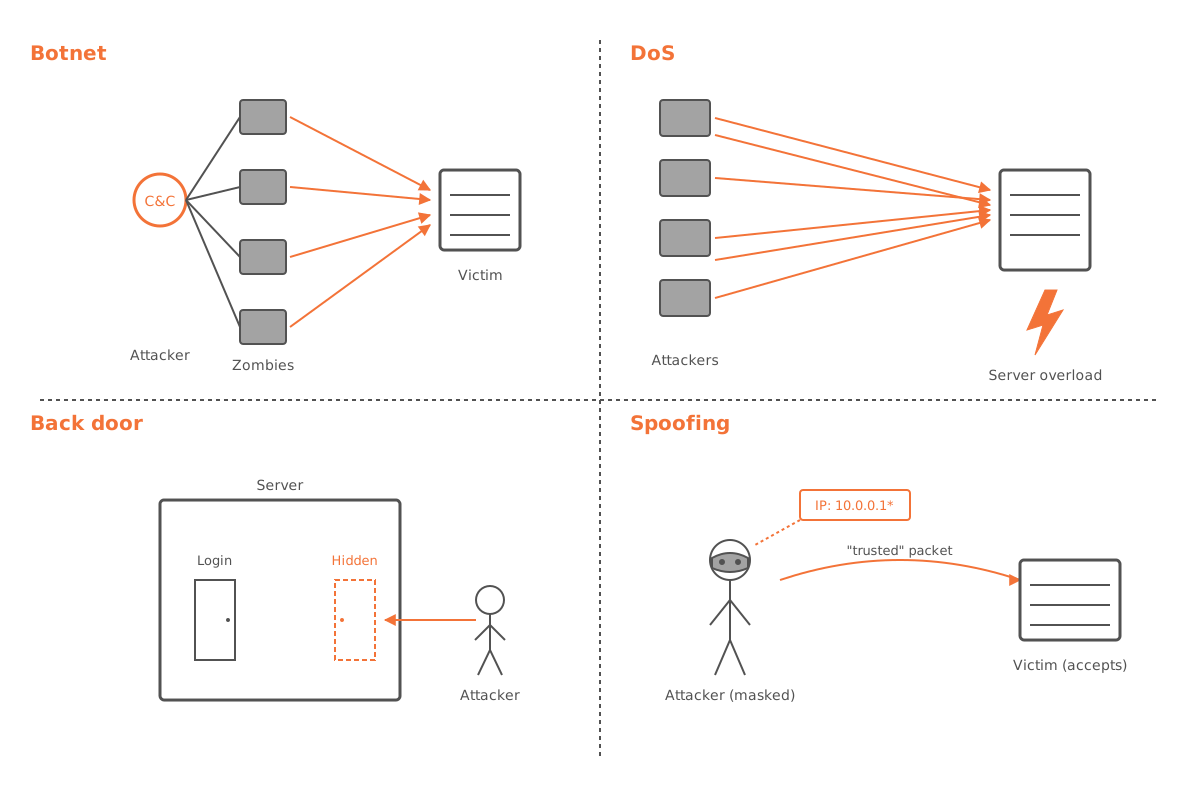
In addition to malware, there are various forms of attacks against computer networks:
- Botnet — a network of computers controlled remotely
- Denial of Service (DoS) — flooding a service until it becomes inaccessible
- Back door — a hidden entry point for unauthorized access to a system
- Spoofing — falsifying an identity (IP, email, etc.) to deceive a system or user
Software Theft
Software theft occurs when someone steals, erases, or uses software without a valid license or authorization.
A software license governs usage rights, while product activation binds the software to a specific computer or mobile device so it cannot be used beyond the granted license.
Technology Ethics
Technology ethics are moral guidelines that govern the use of computers, mobile devices, information systems, and related technologies. Key issues include:
- Intellectual property rights and copyright
- Digital rights management (DRM)
- Professional codes of conduct in the IT field
- Green computing — environmentally friendly technology practices
Privacy
Privacy in the context of technology refers to the right of individuals and companies to limit the collection, use, and dissemination of information about themselves. Related topics include:
- Cookies — websites’ storage of user activity data
- Phishing — fraud aimed at stealing personal information
- Employee monitoring
- Content filtering and web filtering
Examples and Analogies
Here are some analogies that can make the topics above easier to understand.
1. Malware: Viruses and Worms
Imagine your computer as a house, and malware such as viruses and worms as diseases that can spread among its occupants. Prevention requires security measures such as vaccination (antivirus) and keeping the house clean (firewall).
2. Technology Ethics and Intellectual Property Rights
When you take a photo and publish it online, you hold the copyright to that photo. Others may not use it without permission—the same principle applies to software. This is an example of ethical technology practice that respects intellectual property rights.
3. Employee Monitoring
Imagine you are a manager at a fast-food restaurant. To ensure employees work properly and do not commit theft, you install security cameras in the work area. The same applies to monitoring computer use in the workplace, which aims to preserve business integrity and prevent the misuse of resources.
4. Privacy and Cookies
When you visit a website and are asked to accept cookies, the situation is similar to entering a store that notifies you its security cameras will record your visit. Cookies collect information about your activity on the website, just as cameras record your activity in the store.
5. Phishing Attacks
Imagine someone impersonating a bank officer and contacting you by phone or email, then asking for your personal data and credit card number. That is the essence of a phishing attack: a fraudster posing as a legitimate entity to obtain your sensitive information.
Closing
Digital security, technology ethics, and privacy are three interconnected aspects of the digital era. Understanding threats, applying ethical technology use, and protecting privacy are shared responsibilities—of individuals, organizations, and technology developers alike—to create a safer and more sustainable digital ecosystem.