Module 2: Awareness in the Digital Era: Preventing the Spread of Hoaxes and Digital Crime
Awareness in the digital era: preventing hoax and digital crime
The digital era has transformed the way we communicate, shop, learn, and access information. Behind all its sophistication lies a set of real challenges we need to face — especially digital crime and the spread of fake news (hoaxes). This article discusses how to stay vigilant in the digital world, avoid hoaxes, and protect yourself from cyber threats.
Challenges in the Digital Era
The internet allows us to connect with anyone around the world, learn online, shop with ease, and access news instantly. However, this convenience comes with risks that cannot be ignored.
Two major challenges that users face most often:
| Challenge | Common Forms |
|---|---|
| Spread of hoaxes | Fake news spreads quickly through social media and instant messaging apps. A message that sounds compelling is not necessarily true. |
| Digital crime | Identity theft, online fraud, and cyberattacks can happen to anyone. |
Dealing with Digital Crime
Digital crime threatens our security and privacy. A few basic steps to protect yourself:
- Understand the basics of security. Learn about the types of digital threats, use strong passwords, and keep your software up to date.
- Verify before sharing. Don’t rush to forward information without checking its validity.
- Use trusted sources. Refer to security guidelines from the government or organizations focused on digital security.
Verifying News: The Key to Avoiding Hoaxes
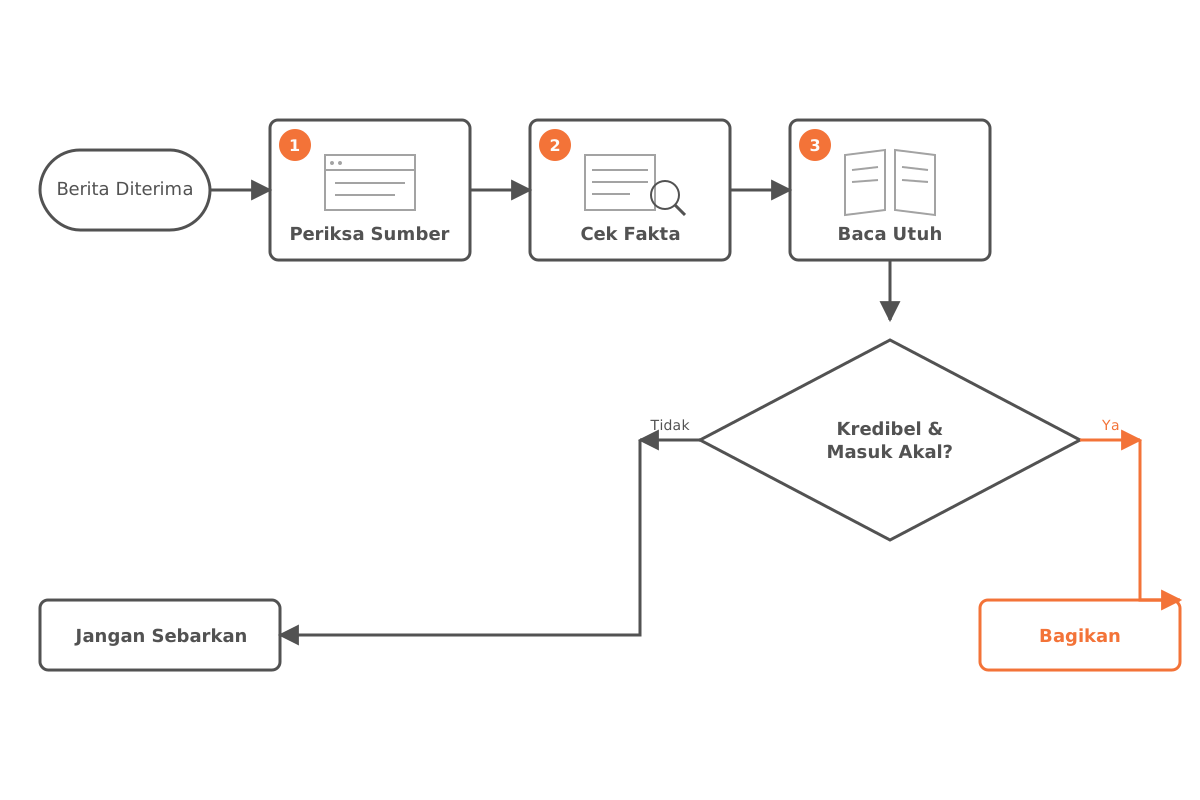
Verification is the most important step in fighting hoaxes. Three habits worth building:
Check the News Source
Make sure the news comes from a credible source — an official news site or a reputable journalism organization.
Fact-Check
Use fact-checking websites or apps to test whether a piece of information is true.
Read the Article in Full
Don’t fixate on the headline. Read the entire article and consider whether the information makes sense before sharing it.
Tip: Headlines that feel overly sensational are often an early sign of a hoax. If a piece of news provokes strong emotions, pause for a moment and verify before acting.
The Individual’s Role in Preventing the Spread of Hoaxes
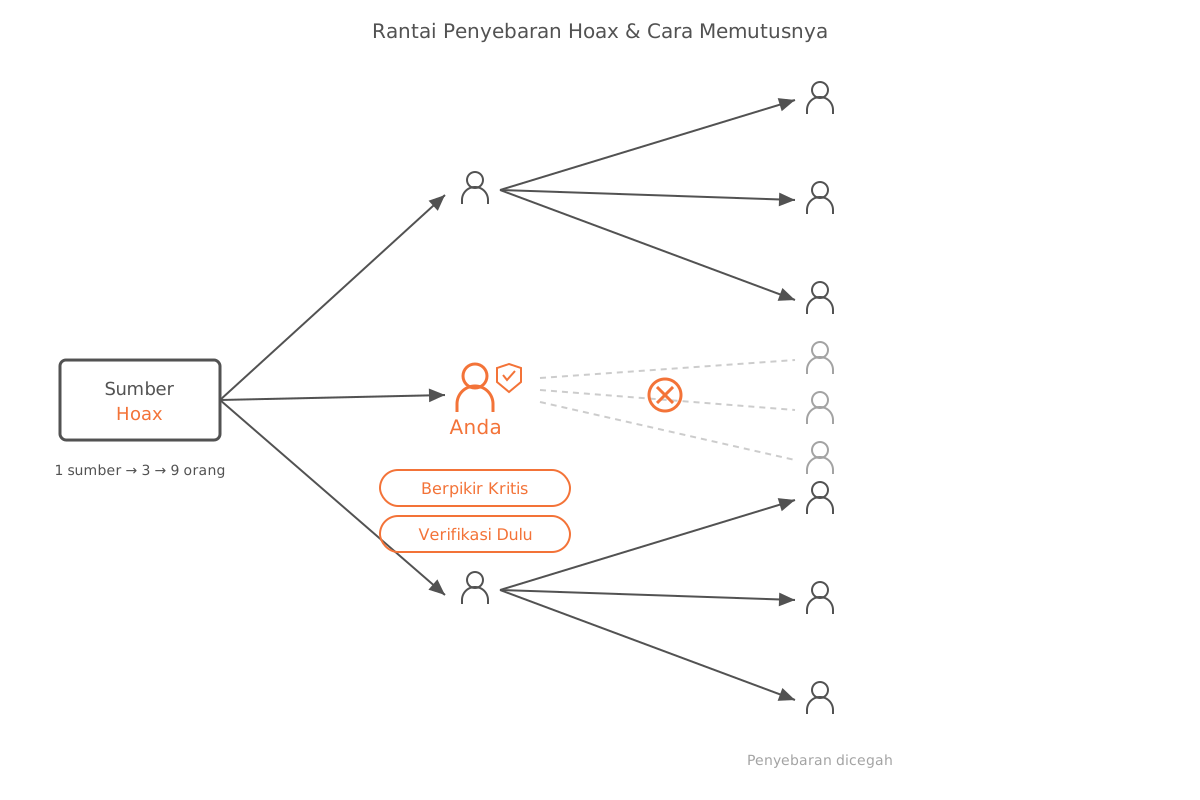
Every person plays an important role in breaking the chain of hoax distribution. Thinking critically before sharing information is a habit worth cultivating. Don’t be easily lured by catchy headlines without verifying first.
Conclusion
The digital era brings great benefits alongside challenges that must be faced wisely. Understanding and vigilance are key in dealing with digital crime and hoaxes. By protecting ourselves and becoming smart consumers of information, we can lead a digital life that is safer and more productive.