Module 3: Buying Guidelines and Characteristics of Technology Devices — A Module Covering Various Types and Key Aspects
Buying guide and characteristics of various technology devices
In an increasingly digitally connected world, choosing the right technology devices is a crucial step toward meeting our diverse needs. This module guides you through understanding the characteristics and buying guidelines for various types of devices, from the simplest to the most advanced.
Choosing a Device: Characteristics and Considerations
When selecting technology devices, there is no one-size-fits-all solution. A device’s characteristics must align with each user’s needs and preferences.
| Aspect | Key Question |
|---|---|
| Performance | Do you need a high-performance device for heavy tasks, or will a standard one do? |
| Mobility | Is portability important, or will the device stay in one location? |
| Screen Quality & Resolution | How critical is screen sharpness and size — especially for laptops and tablets? |
| Price & Budget | What budget do you have, and how do you balance it against features? |
Types of Devices
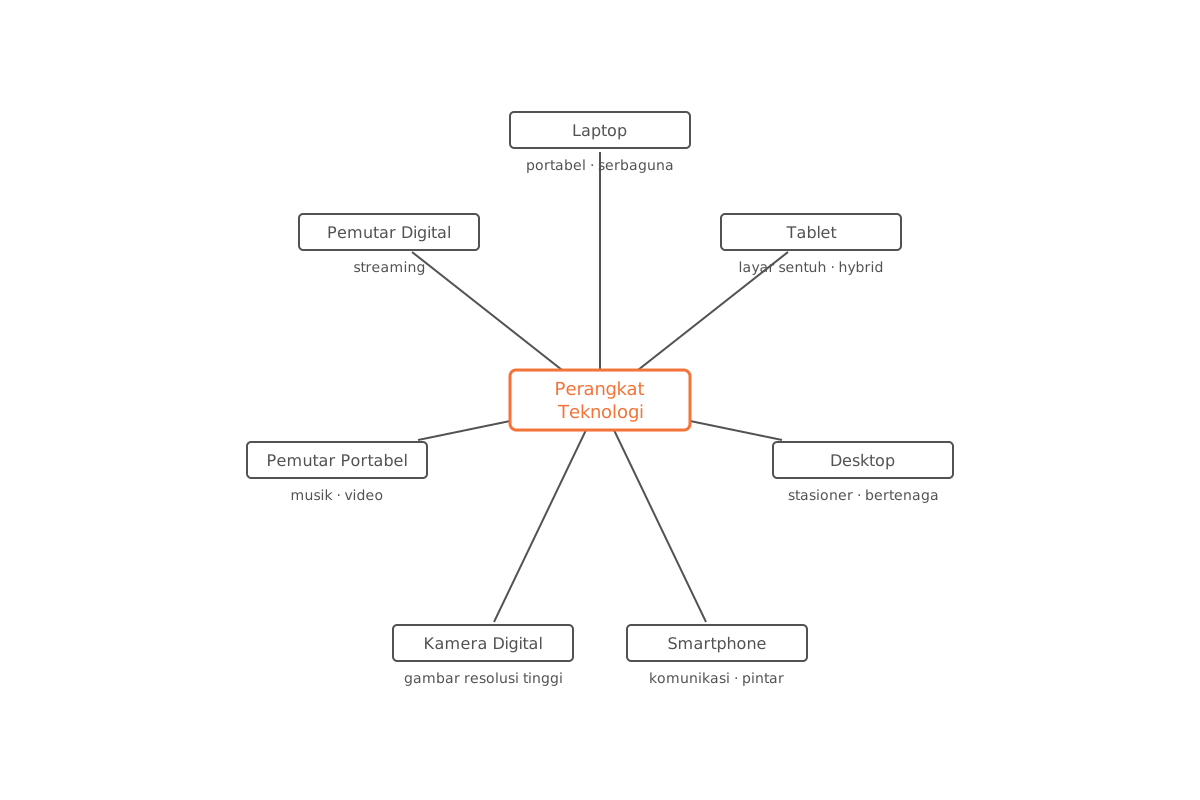
The range of devices to be covered:
- Laptop — portable and versatile, ideal for users on the move.
- Tablet — a blend of smartphone and laptop, equipped with a touchscreen.
- Desktop — a stationary, powerful computer for heavy workloads.
- Smartphone — a smart device for communication and a wide range of digital activities.
- Digital Camera — captures moments with high image quality.
- Portable Media Player — stores and plays music and videos.
- Digital Media Player — streams and stores digital content.
Specialized Technology
Servers, Supercomputers, and POS Terminals
- Server — used for data storage and management.
- Supercomputer — the world’s most powerful data-processing machines.
- Point-of-Sale (POS) Terminal — used in retail businesses to record transactions.
Self-Service Kiosks and ATMs
Self-service kiosks and ATMs are revolutionizing the modern shopping experience and banking services, bringing automation that speeds up everyday transactions.
E-book Readers and Wearable Devices
For book lovers, e-book readers let you carry an entire library wherever you go. Meanwhile, wearable technology such as smartwatches and fitness trackers has become an integral part of the digital lifestyle.
Gaming Devices
For gamers, the options are diverse — from consoles to dedicated gaming PCs, each with its own strengths.
Embedded Computers and Cloud Computing
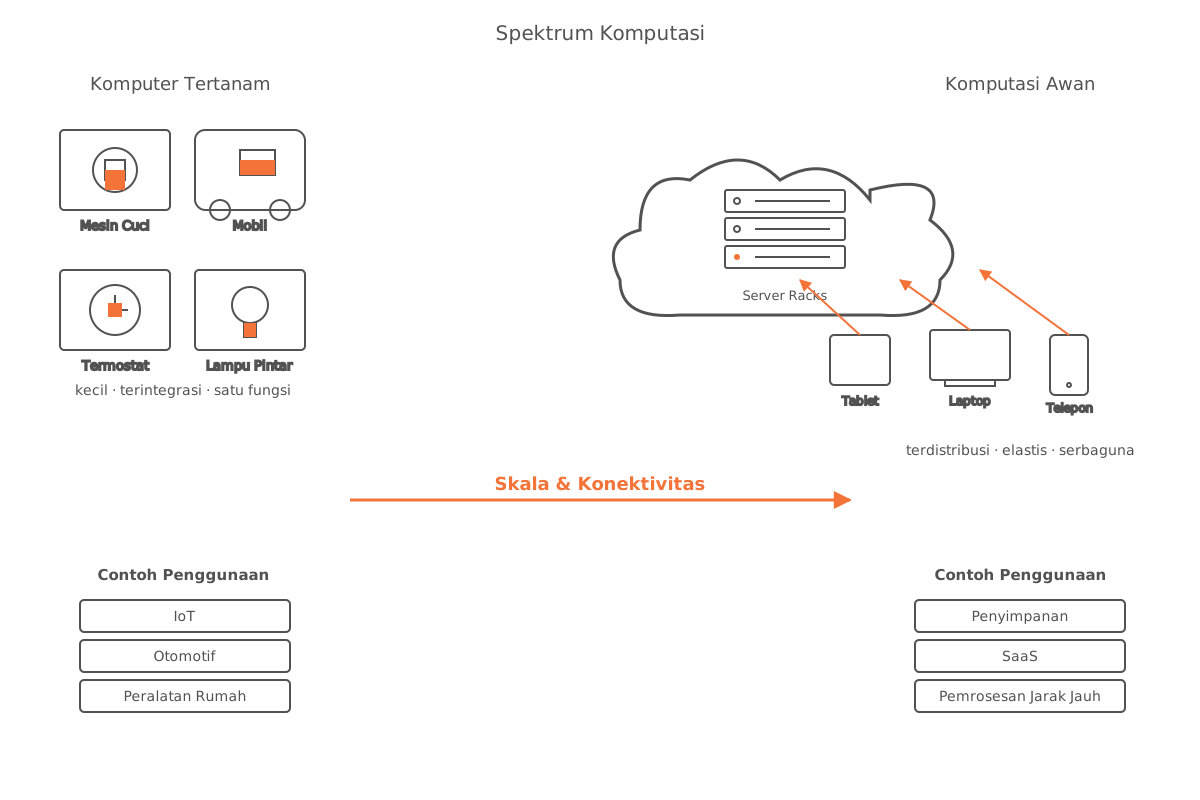
In the digital era, computers don’t only come in the form of devices we hold in our hands.
Embedded computers are hidden inside various everyday appliances — from washing machines to cars. Meanwhile, cloud computing enables access to massive computing resources over the internet.
Ports, Connections, and Maintenance
Ports and Connections
Ports and connection types are important technical aspects that determine a device’s compatibility and flexibility. Recognizing the different port variations helps you ensure your device can connect to the accessories and peripherals you need.
Device Maintenance
Choosing the right device alone is not enough — proper care is key to extending its lifespan and keeping it efficient. You will learn how to properly protect and maintain your hardware.
Tech Health: Issues and Prevention
This module also highlights health issues that arise from technology use, along with preventive measures you can apply in everyday life.
By understanding the various types of devices and their characteristics, you’ll be better prepared to make smart decisions when buying technology. Follow this module carefully and get ready to explore a world of technology that continues to evolve at a rapid pace.